
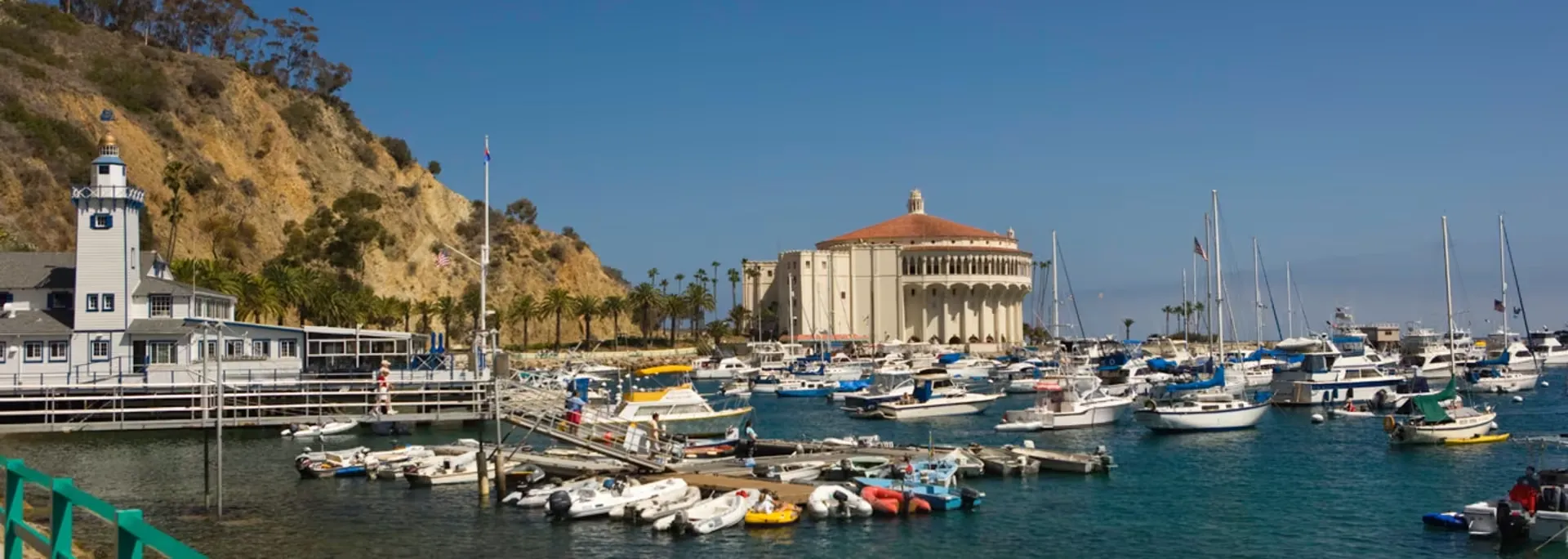
Vessel purchase overview.
A practical step-by-step guide to purchasing a boat.
After viewing several vessels, you may find the one that fits your needs. When you are ready to make an offer, the purchase process generally follows these steps.
The Search
Tell your broker or agent in writing that you would like to make an offer. Include your offer amount and your name, address, phone number, and email address. Discuss possible contingencies, including:
- Marine survey
- Mechanical survey
- Rigging survey (for sailboats, as applicable)
- Financing
- Any other special conditions
Offer
- Review the purchase agreement carefully and confirm all deadlines, deposit terms, and contingencies with the parties involved.
- E-sign the agreement.
- Your broker or agent will forward the offer to the seller or the seller’s agent. The parties may exchange counteroffers before reaching a final agreement.
Deposit and Accepted Offer
- Once the offer is accepted, submit the 10% deposit by wire transfer within the timeframe specified in the agreement (your original usually indicates 3–5 business days).
- Verify wire instructions independently with the receiving party before sending funds.
Selecting a Surveyor
- Your broker or agent may provide a list of surveyors, or you may choose a qualified surveyor independently. Brokers and agents may provide information but cannot recommend a particular surveyor.
- Confirm applicable requirements and choose a surveyor experienced with the type of vessel you are purchasing.
Scheduling
After you select your surveyor, your broker or agent can help coordinate the survey, sea trial, and haul-out at a local boatyard.
Survey Day
The survey day typically includes the vessel inspection, sea trial, and haul-out. It can be a full day and is a valuable opportunity to learn about the boat, its systems, and how it operates. Ask questions and take notes.
Survey Reports
You will generally receive the marine survey report within a few days to about a week, depending on the surveyor. It usually describes the vessel, its systems and configuration, and items that may need attention.
- Mechanical survey: Commonly arranged for powerboats. The mechanic may provide a report, oil-sample results, and a list of recommended repairs or follow-up items.
- Rigging survey: For sailboats, as appropriate. The rigger provides a report and identifies rigging items that may need repair or replacement.
Negotiation / Survey Allowance
After reviewing the reports and identifying repairs or replacements, you may have an opportunity to renegotiate with the seller. One possible outcome is a mutually agreed survey allowance or credit toward the purchase price. The amount, if any, is negotiated between buyer and seller; it is not guaranteed and may range from no credit to an agreed amount.
Vessel Acceptance
Once any negotiated credits or repairs are agreed upon, review the contract requirements for vessel acceptance. This step generally confirms that you are satisfied with your due diligence and are proceeding under the terms of the purchase agreement.
Insurance and Funding
Contact marine insurance providers to obtain coverage quotes and confirm the effective date. Arrange financing, if applicable, and send the remaining funds due according to the purchase agreement and verified closing instructions.
Documentation and Registration
Your broker or agent can connect you with a documentation service, such as Reliable Documentation, to assist with U.S. Coast Guard documentation or California DMV registration, as applicable. Confirm the correct process for your vessel and ownership circumstances.
Closing and Congratulations!
After all required funds and documents have been received and the closing requirements are satisfied, the transaction can close.
Congratulations—your next boating adventure begins!
Ready to find your boat?